






How to Write a 3D Character AI Prompt
A memorable 3D character needs an identity that survives different poses and views. Define the character first, then direct silhouette, materials, and presentation.
- 01
Define the character identity
Describe the role, audience, age range, personality, and core visual hook before listing clothes, props, or decorative detail.
- 02
Build the silhouette and proportions
Set body shape, head-to-body ratio, facial features, posture, and recognizable outline so the character reads clearly at a glance.
- 03
Design costume and materials
Specify clothing layers, accessories, colors, surface materials, and wear level while keeping details compatible with the intended style.
- 04
Choose views and rendering
Request a pose, expression sheet, turntable, collectible shot, or scene. Add camera angle, light, background, and rendering finish for the intended output.
3D Character Prompt Ideas by Goal
4 starting points
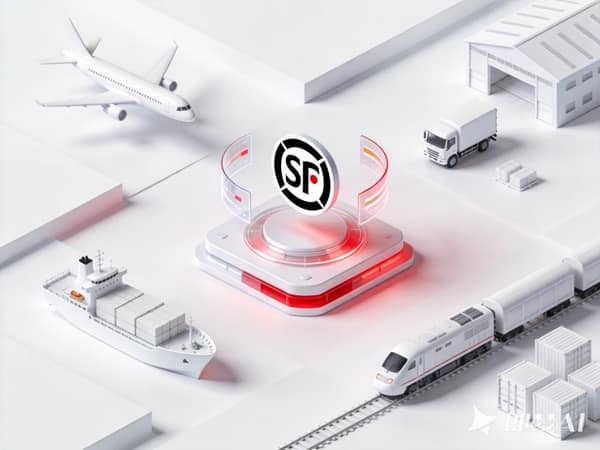
Brand mascots
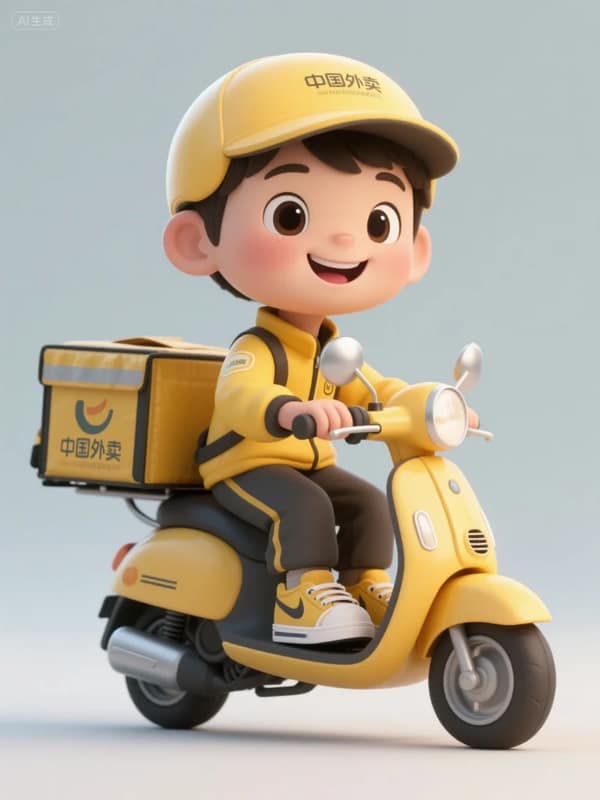
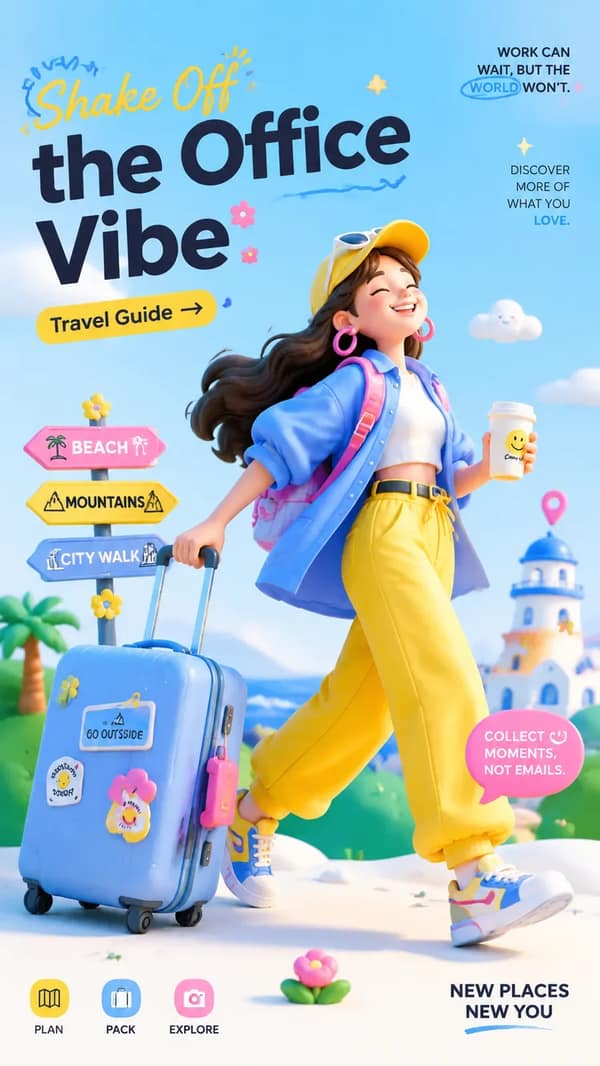
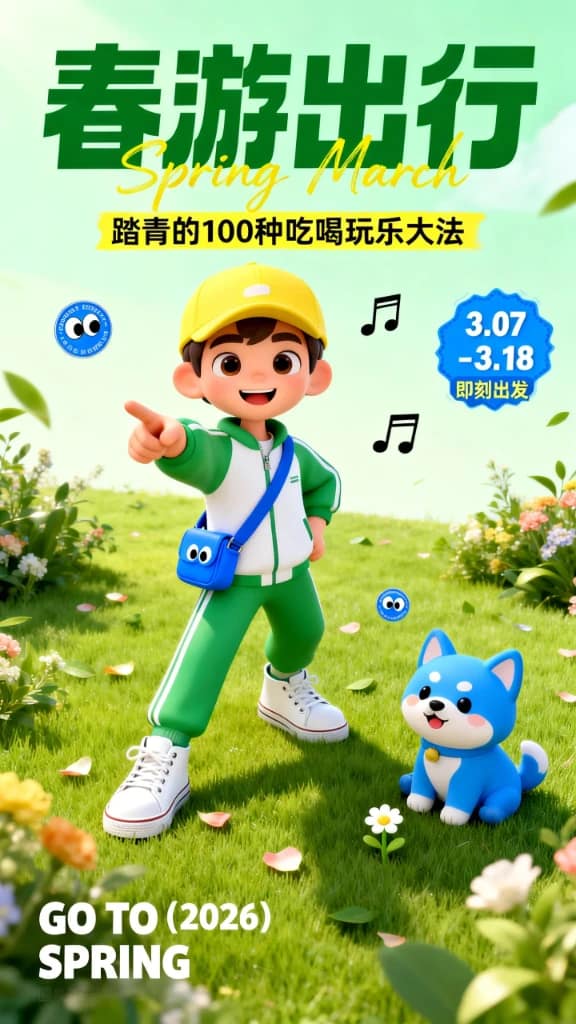
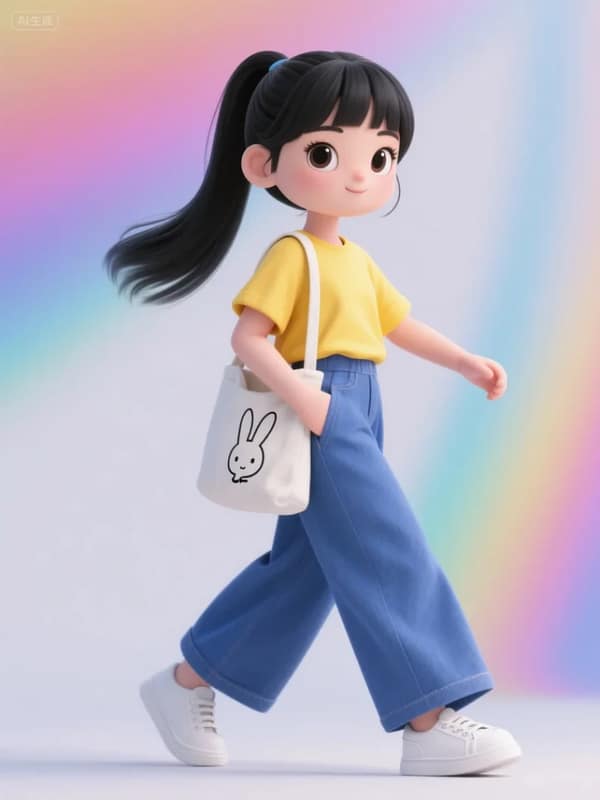
Prioritize one recognizable silhouette, an approachable expression, and a small set of brand cues that work across many poses.
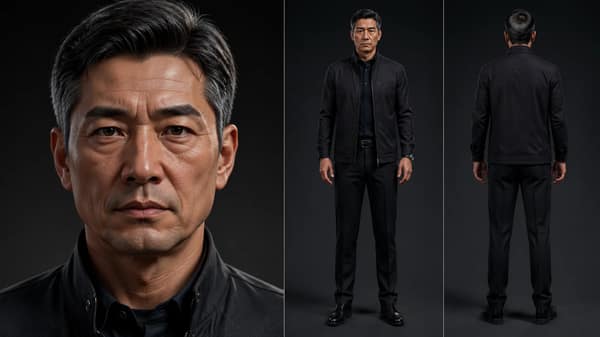
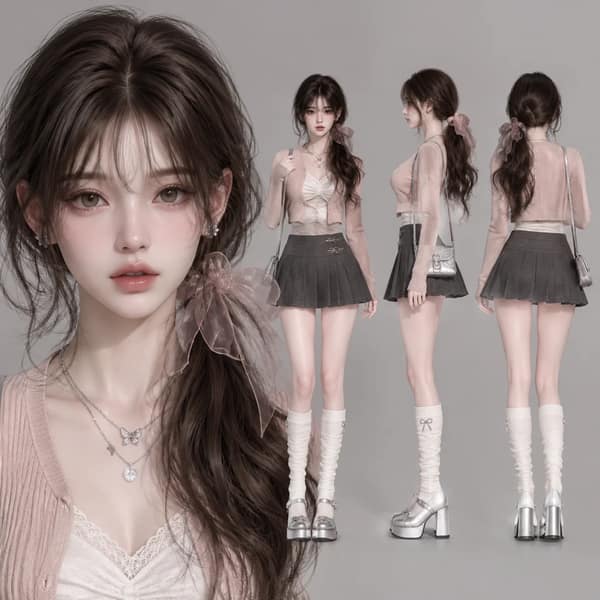
Character turnarounds
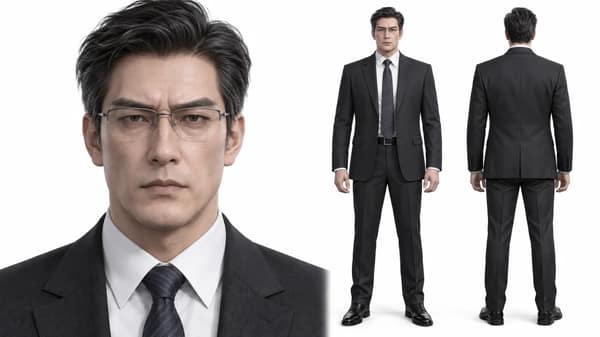
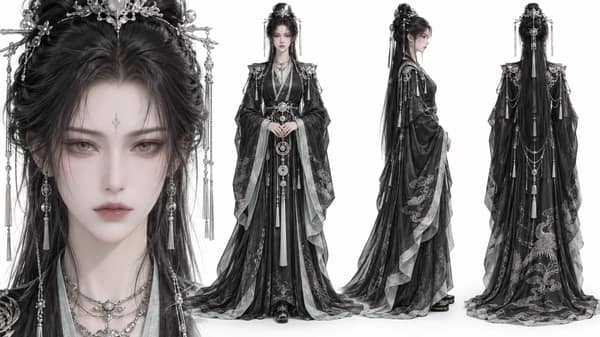
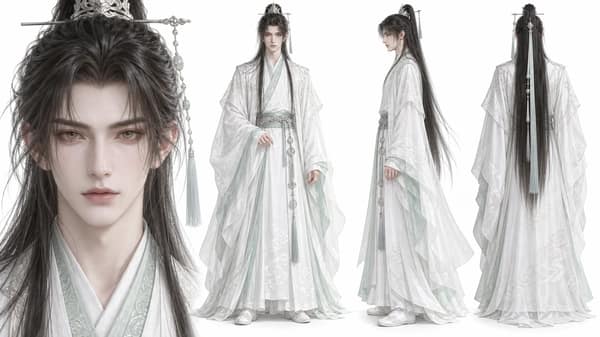
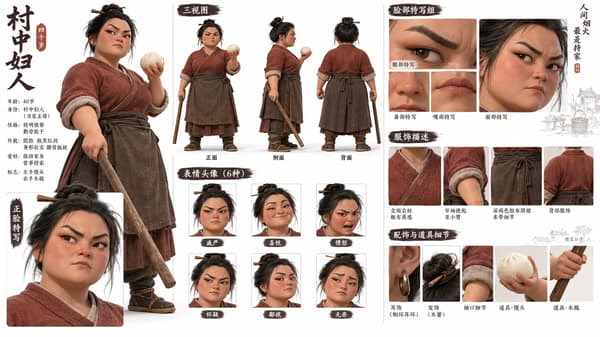
Request front, side, and back views with consistent clothing, proportions, and lighting as a reference for later development.
Collectible concepts
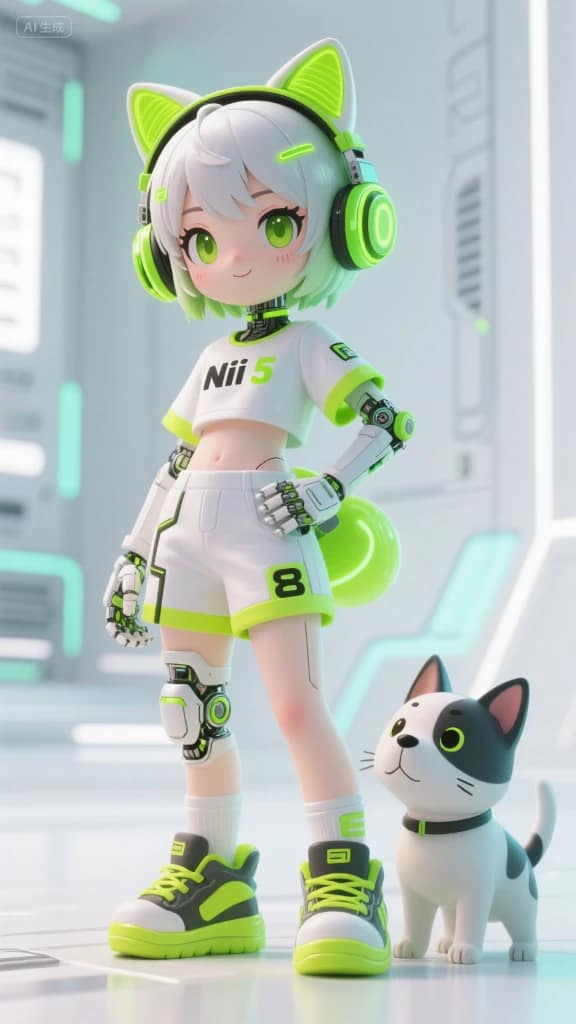
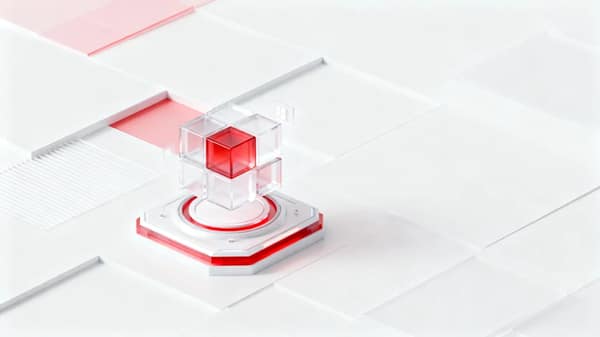
Describe base, scale, pose, material, packaging context, and a presentation angle that makes the figure feel tangible.
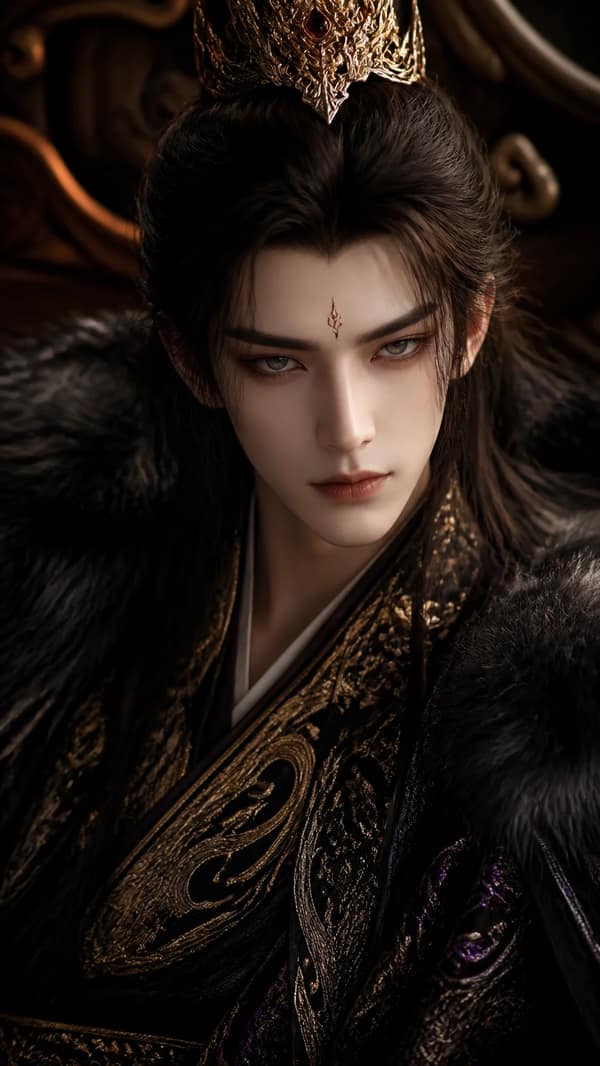
Game or story characters
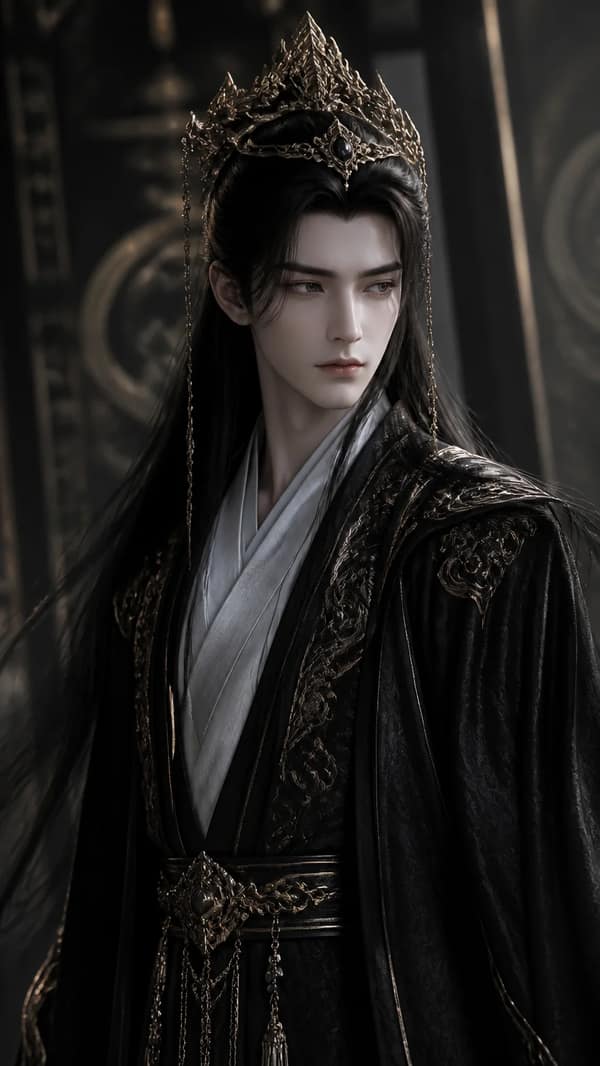
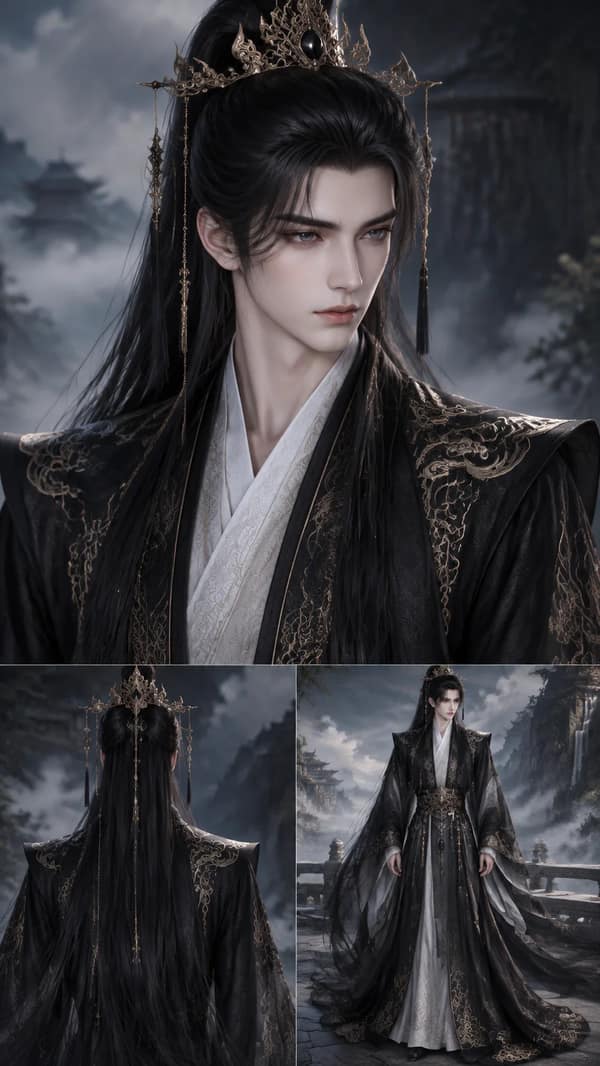
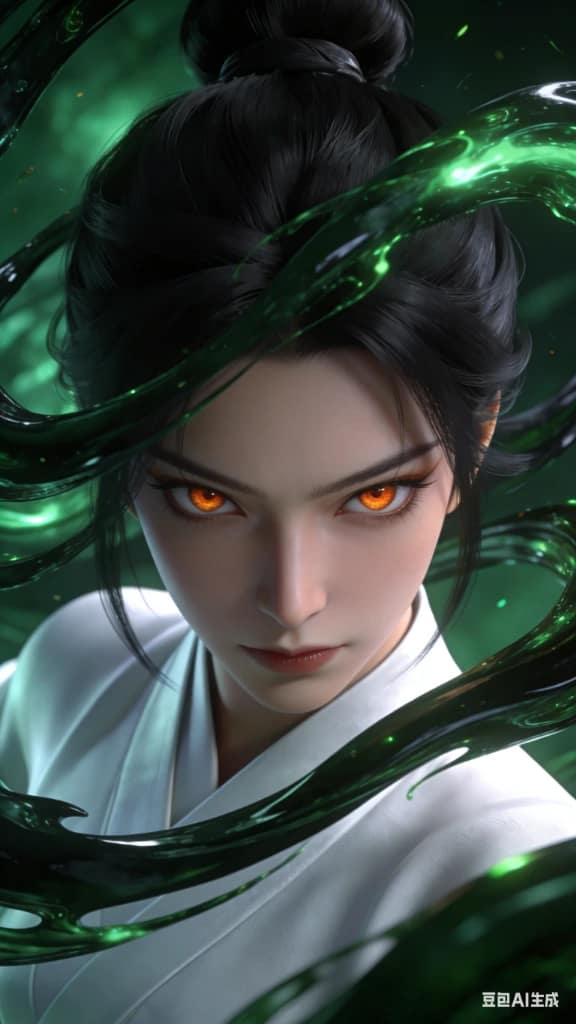
Connect costume, prop, expression, and environment to a clear role so visual details contribute to the character narrative.